Primitive Era Tools Forge Your Survival. Master the Wild.

Primitive Era Tools

Forge Your Survival. Master the Wild.

Latest Articles

Aches, Pressure, and the Coming Storm: Trusting Your Body Over the Weather App
Gear & Preparedness

Aches, Pressure, and the Coming Storm: Trusting Your Body Over the Weather App

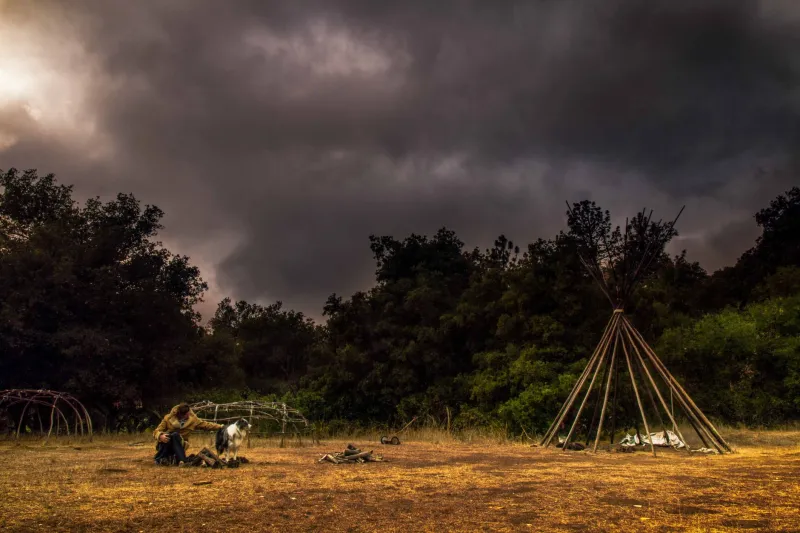
Your grandfather's bad knee wasn't wrong — it was picking up on real atmospheric data that your smartphone can't feel. Folk weather wisdom has been dismissed as superstition for decades, but the biology behind it is legitimate, and for preppers operating without reliable communications, learning to read those signals could be the most practical skill you develop this year.

Why the Men Who Build Their Own Tools Never Panic
Skills & Craftsmanship

Why the Men Who Build Their Own Tools Never Panic

There's something that happens in your nervous system when you forge a blade or carve a handle from raw wood — something that goes deeper than skill. Neuroscience is starting to catch up to what blacksmiths and bushcrafters have known for generations: making things with your hands fundamentally changes how you respond when everything goes wrong.

Ground Truth: What Every Prepper Needs to Know About Reading Animal Sign
Skills & Craftsmanship

Ground Truth: What Every Prepper Needs to Know About Reading Animal Sign

Trail cameras and GPS collars are fine until the batteries die. The trappers who kept their families fed through brutal American winters never needed either — they read the land itself. Here's how to develop that same silent awareness on your own ground.

Skills & Craftsmanship

Lost Without a Signal: The Forgotten Navigation Skills That Brought Pioneers Home

Before GPS and before compasses were standard gear, Americans crossed mountains, forded rivers, and found their way home using nothing but the land itself. These navigation techniques aren't relics—they're lifelines waiting for the moment your battery dies or your device gets soaked in a creek.

Skills & Craftsmanship

Raw Gear, Earned Trust: The Old-Timer's Guide to Conditioning Primitive Tools Before You Need Them

Pulling a brand-new tool out of the box and expecting it to perform under pressure is like hiring someone on their first day and handing them the keys to the whole operation. Experienced craftsmen and backcountry veterans have always known that primitive gear needs deliberate conditioning before it earns a place in your survival kit. Here's how to do it right—and why skipping this step could cost you when it counts.

Why Your Arm Gives Out Before Your Will Does: The Truth About Tool Balance in a Survival Situation
Skills & Craftsmanship

Why Your Arm Gives Out Before Your Will Does: The Truth About Tool Balance in a Survival Situation

When you're three days into a survival situation and running on cold jerky and stubbornness, the last thing you can afford is a tool that fights you back. Understanding how weight distribution affects fatigue and injury isn't just workshop trivia — it's the kind of knowledge that keeps you functional when everything else is falling apart.

Lock, Wedge, and Hold: Building Bulletproof Wood Joints Without a Single Nail
Skills & Craftsmanship

Lock, Wedge, and Hold: Building Bulletproof Wood Joints Without a Single Nail

When the hardware store is a distant memory and your nail supply runs dry, the joints your great-great-grandfather cut by hand are the ones that'll keep your shelter standing. Green wood joinery isn't just old-fashioned carpentry — it's a survival skill that outperforms modern fasteners in ways most preppers never consider. Here's what you need to know before the situation demands it.

When the Power Cuts Out, Grandpa's Toolbox Cuts In
Skills & Craftsmanship

When the Power Cuts Out, Grandpa's Toolbox Cuts In

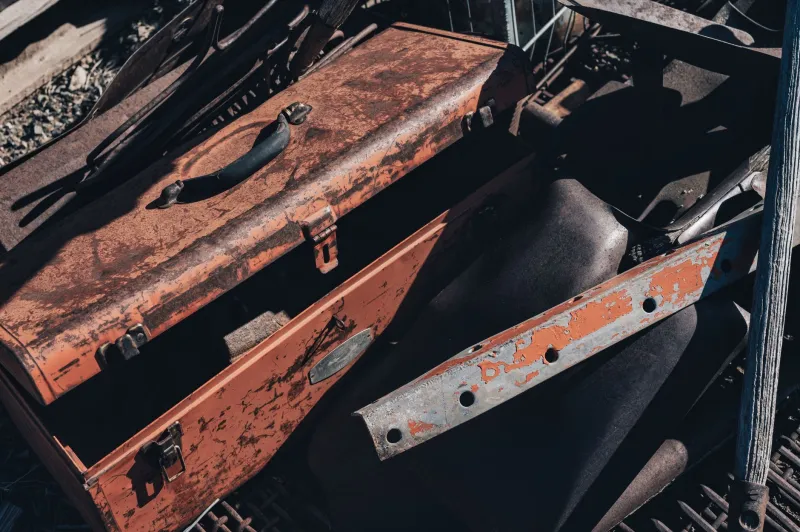
When the grid goes dark, that garage full of cordless drills and circular saws becomes a very expensive collection of paperweights. Hand tools don't need an outlet, a battery charge, or a prayer—they just need someone who knows how to use them. Here's why the manual tools your grandfather swore by might be the most underrated prep you can make.

Loud Gear Gets You Killed: The Tactical Case for Going Primitive When It All Falls Apart
Gear & Preparedness

Loud Gear Gets You Killed: The Tactical Case for Going Primitive When It All Falls Apart

Modern survival gear is packed with batteries, motors, and mechanical parts that announce your position before you ever see the threat. When the grid goes down and the situation gets serious, the quietest tool in your pack might be the one that keeps you alive. Here's why primitive tools carry a tactical edge that no amount of gadgetry can replicate.

Clouds, Crows, and Creaking Joints: How Settlers Read the Sky Before Doppler Existed
Skills & Craftsmanship

Clouds, Crows, and Creaking Joints: How Settlers Read the Sky Before Doppler Existed

Before weather apps and satellite radar, American farmers and frontiersmen read the sky, the animals, and the land itself to stay alive. These forgotten forecasting skills aren't just interesting history—they're practical survival tools that work when your phone dies and the storm rolls in anyway.

Hammer It Out: Why Knowing How to Fix Your Tools Is the Ultimate Survival Skill
Skills & Craftsmanship

Hammer It Out: Why Knowing How to Fix Your Tools Is the Ultimate Survival Skill

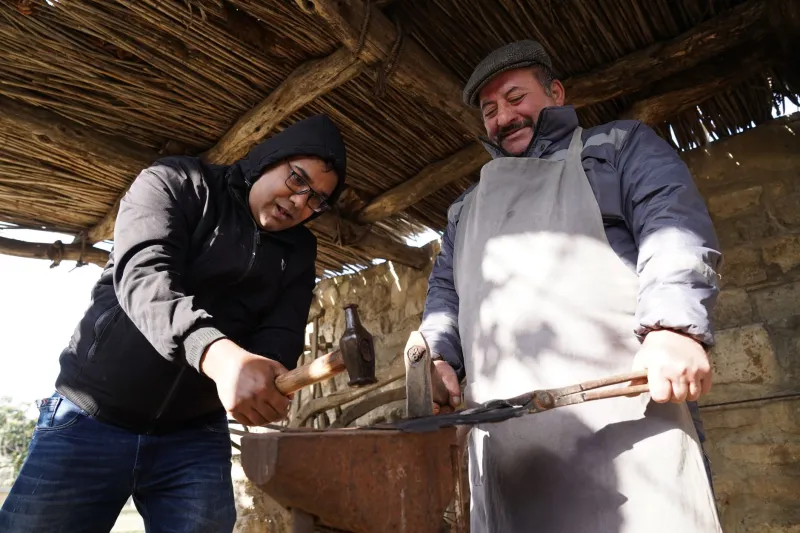
In a real grid-down situation, the hardware store isn't an option. Learning basic forge repair and blacksmithing techniques means your tools last as long as you need them to — which could be forever. This is the skill most preppers skip, and it might be the most important one they're missing.

Heat, Steel, and Instinct: How Old-School Tempering Produces Blades That Modern Factories Can't Touch
Skills & Craftsmanship

Heat, Steel, and Instinct: How Old-School Tempering Produces Blades That Modern Factories Can't Touch

Before CNC machines and industrial ovens took over, blacksmiths read color, smell, and feel to harden steel that lasted generations. Understanding those old tempering methods isn't just a history lesson — it's a survival advantage that most modern preppers are completely missing out on.

Steel That Saves: What Blacksmiths and Survival Medics Know About Field Medicine That Your First Aid Kit Doesn't
Skills & Craftsmanship

Steel That Saves: What Blacksmiths and Survival Medics Know About Field Medicine That Your First Aid Kit Doesn't

When the pharmacy closes and the ambulance isn't coming, the tools in your kit matter more than the packaging they came in. Seasoned survival medics and working blacksmiths share what they've learned about forged steel implements that outperform their disposable plastic counterparts when civilization takes a day off.

Why Hand-Forged Costs More—and Why Your Survival Kit Should Pay the Price
Gear & Preparedness

Why Hand-Forged Costs More—and Why Your Survival Kit Should Pay the Price

Hand-forged tools carry a premium price tag that stops a lot of buyers cold. But once you understand what you're actually paying for—and what you lose by going cheap—that sticker shock starts to look a lot more like common sense.

Iron's Worst Enemy: What Preppers Get Wrong About Rust and How Old-Timers Actually Beat It
Skills & Craftsmanship

Iron's Worst Enemy: What Preppers Get Wrong About Rust and How Old-Timers Actually Beat It

Carbon steel tools are some of the finest ever made — and some of the most unforgiving if you ignore them. Rust doesn't wait for a convenient moment, and the old-school methods for stopping it are more effective than most people realize. Here's what the chemistry actually looks like, and what homesteaders and preppers have always done about it.

Heft, Balance, and Bite: How to Read a Tool Before You Ever Swing It
Skills & Craftsmanship

Heft, Balance, and Bite: How to Read a Tool Before You Ever Swing It

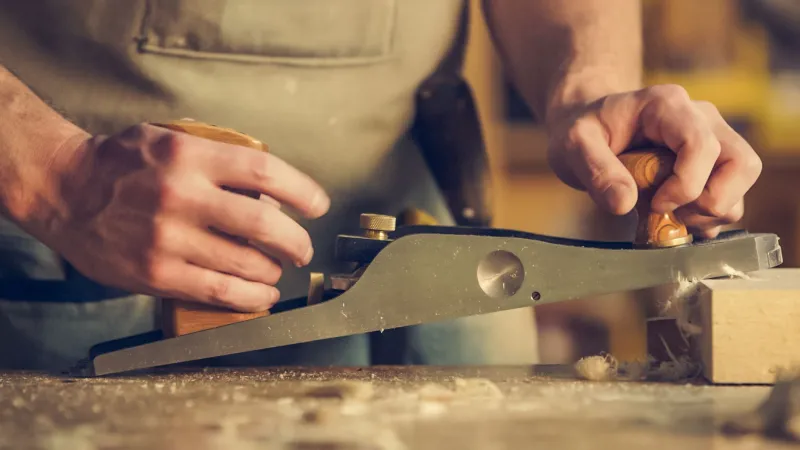
Most guys grab a tool, feel the handle, and call it good. That's how you end up with gear that looks the part but falls apart when it matters. Learn the real metrics — weight distribution, material hardness, and edge geometry — that separate a tool worth trusting from one worth leaving on the shelf.

One Axe, One Life: Why the Tool You Know Beats the Gear You Own
Skills & Craftsmanship

One Axe, One Life: Why the Tool You Know Beats the Gear You Own

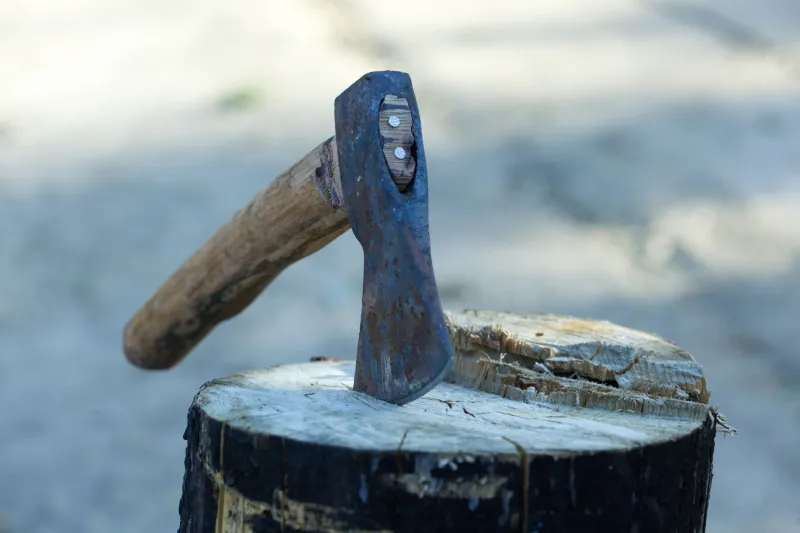
There's a certain kind of prepper who owns seventeen tools and can't confidently use a single one. This piece makes the case for going deep instead of wide — and why one well-chosen, well-maintained axe will teach you more about wilderness survival than a shed stuffed with specialized gadgets ever could.

Dead Steel, Living Edge: How to Hunt Down and Revive Vintage Blacksmith Tools That Still Outwork the Modern Stuff
Skills & Craftsmanship

Dead Steel, Living Edge: How to Hunt Down and Revive Vintage Blacksmith Tools That Still Outwork the Modern Stuff

Old hand-forged tools from estate sales and flea markets are quietly outperforming their shiny factory-made replacements — and savvy preppers are catching on fast. If you know what to look for, you can build a serious working tool collection for pennies on the dollar. Here's how to find, evaluate, and restore the real deal.

Gear & Preparedness

Cast Iron, Stone Pits, and Dutch Ovens: The Old Kitchen Gear That Modern Preppers Can't Afford to Ignore

Modern cooking gear is lighter, shinier, and more likely to fail you when it matters most. Cast iron, stone-lined pits, and Dutch ovens have been feeding American families for centuries — and there are very good reasons why serious preppers are bringing them back. Here's the case for going heavy and going old.

Skills & Craftsmanship

Rope, Branches, and Grit: How to Lash Together a Shelter That Actually Holds

Forget nails, screws, and hardware store runs. With the right lashing techniques and a good eye for natural materials, you can build a shelter that stands up to wind, rain, and cold. This guide breaks down the real-world methods that work — and the mistakes that'll leave you soaked at 2 a.m.