Trash or Treasure? How Homesteaders Turned Household Scraps Into Survival Gold
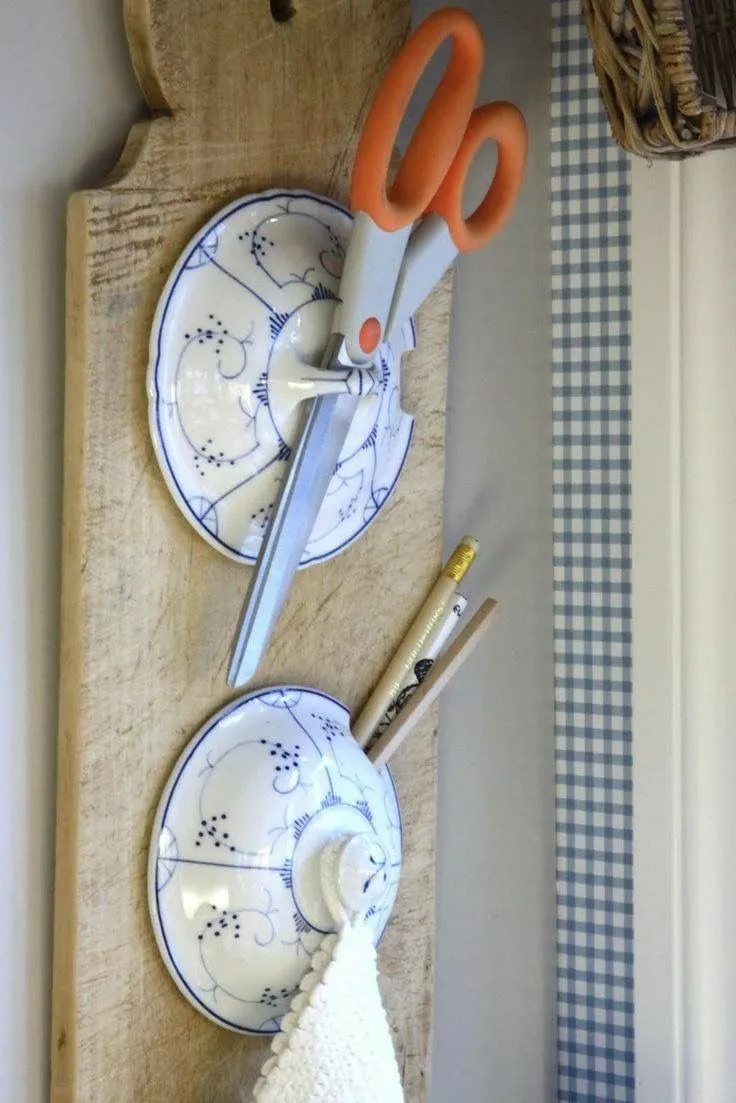
Photo: rustic homestead kitchen scraps bones cloth repurposing survival tools, via i.pinimg.com
There's a modern prepper trap that's easy to fall into: the idea that being prepared means buying prepared. Another knife. Another pack. Another gadget promising to solve problems you haven't had yet. But if you look back at the people who actually lived through hard times in this country—the frontier homesteaders, the Depression-era farm families, the Appalachian mountain communities—you'll notice something interesting. They didn't prep by acquiring. They prepped by seeing.
They looked at a pile of what we'd call trash and saw a hardware store.
This isn't a romantic fantasy about simpler times. It's a practical mindset shift that could genuinely make you more resilient, right now, using stuff that's already in your house. Let's go through it category by category.
Bones: The Original Multi-Tool
When a frontier family butchered an animal, the bones didn't go to waste. Not even close. Depending on the species and the bone in question, you were looking at a toolkit.
Fishhooks — Small bones, particularly from fish themselves or from small game, can be carved and notched into functional gorge hooks. A gorge hook is a straight or slightly angled piece of bone that's tied at the midpoint. When a fish swallows it and the line is pulled taut, it lodges crosswise in the throat. Crude? Sure. Effective? Ask the people who fed themselves with them for ten thousand years.
Awls and Needles — Thin, dense bones—think leg bones from rabbits or birds—can be split, ground to a point on a flat rock, and used as sewing awls or, with a notched eye, as needles. These were essential for working leather and heavy canvas.
Handles and Grips — Larger bones make serviceable handles for small blades or scrapers. Lash a flint flake to a split bone handle and you've got a cutting tool that cost you nothing.
Bone Broth and Grease — Not a tool, but worth mentioning: rendered bone marrow and fat were historically used as leather conditioners, rust prevention on iron tools, and skin protectant in cold weather. Don't throw the broth pot out with the bones.
Start saving bones from your kitchen meals. Clean them, dry them, and keep a small collection. You'll be surprised how quickly you develop an eye for which ones have potential.
Worn-Out Cloth: Still Working After You're Done With It
A shirt with holes in it, a pair of jeans past saving, a fraying bed sheet—these aren't garbage. They're raw material.
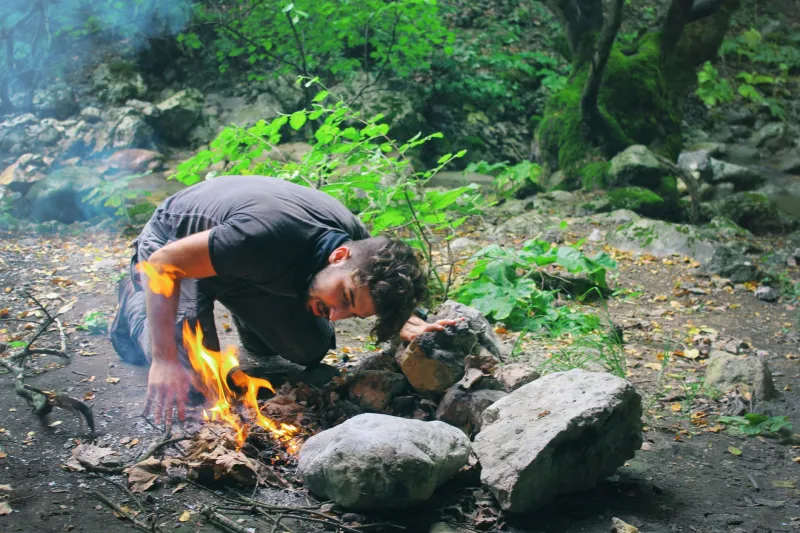
Tinder and Fire-Starting — Cotton and linen char beautifully into what's called char cloth, one of the best tinder materials available for catching a spark from a flint-and-steel setup. Cut your worn cotton fabric into small squares, place them in a small tin with a pinhole, and heat over a fire until they stop smoking. The result is a fragile black material that catches an ember from the first spark. Homesteaders did this deliberately with old rags.
Wound Dressing and Bandaging — Clean cotton strips have served as bandaging material since long before sterile gauze existed. In a pinch, boiled cotton cloth strips are a legitimate field dressing. Honey applied to the wound underneath has genuine antibacterial properties, another trick as old as civilization.
Insulation Stuffing — Shredded cloth scraps stuffed into a loosely sewn outer shell make a serviceable insulating layer for bedding or clothing. Colonial Americans made quilts this way out of necessity before it became a craft tradition.
Rope and Lashing — Cut cloth into long strips and braid them together. You're not getting paracord tensile strength, but for light lashing, tying bundles, or securing gear, braided fabric strips work fine. Rag rugs were made this way. So were emergency tourniquets.
Glass and Metal Scraps: The Recycled Toolkit
Broken glass is dangerous—which is exactly what makes it useful.
Scrapers and Cutting Edges — A thick piece of broken glass, carefully handled, holds a sharper edge than most knives fresh out of the box. Early settlers used glass shards as hide scrapers and cutting tools, especially in areas where good flint wasn't available. Wrap one end in leather or cloth for a grip.
Tin Cans — The humble tin can is practically a survival kit on its own. Cut the top off cleanly and you have a cooking vessel, a water boiling cup, a mold for rendering fat into candles, or the body of a small rocket stove. Punch holes in the bottom and sides and you've got a coal carrier for transporting fire. Flatten and cut the metal and you have sheet stock for fashioning small tools, traps, or patches.
Wire — Old wire—from appliances, fencing scraps, coat hangers—is one of the most versatile materials you can stockpile. Snare wire. Lashing material. Hooks. Binding for tool handles. A straightened coat hanger becomes a cooking skewer, a fire poker, or a basic probe for checking ice thickness.
Kitchen Fat and Ash: The Chemistry Corner
This is where homesteading gets genuinely clever.
Lard and Tallow — Saved cooking fat has a half-dozen survival applications. It's a lamp fuel (pour it in a small dish with a cloth wick). It's a leather conditioner. It's a rust inhibitor for iron tools. It's a skin barrier against windburn and cold. Old-timers didn't throw fat away any more than they threw away a good knife.
Wood Ash — Your fireplace or fire pit is generating a resource. Wood ash mixed with water produces lye, which combined with fat produces soap. That's not a craft project—that's how Americans made soap for most of this country's history. Ash also makes a decent abrasive cleaner, a tooth powder, and a garden amendment. Spread it on icy paths in winter. Use it to preserve eggs (an old technique that works surprisingly well).
Citrus Peels and Coffee Grounds — Both are natural pest deterrents. Scatter dried citrus peel or used coffee grounds around a camp perimeter or food storage area and you'll discourage insects and small rodents. Settlers used similar organic deterrents because they didn't have a choice.
The Real Prep: Changing How You See
Here's the thing that all of this points toward. The homesteaders who thrived weren't necessarily the ones with the most supplies. They were the ones who had trained themselves to see potential instead of garbage. That's a cognitive skill, not a purchasing decision.
Start practicing it now, before you need it. Before you toss something, ask one question: what could this become? You don't have to turn every tin can into a survival kit tonight. But building the habit of asking the question rewires how you think about resources.
That mindset is what kept people alive on the frontier. It's what kept families fed during the Depression. And it's what separates someone who is genuinely prepared from someone who just has a lot of stuff in the garage.
Your next tool might already be sitting in your trash can. Go take a look.