Lye, Fat, and Know-How: The Old-School Soap Recipe That Every Prepper Needs in Their Arsenal
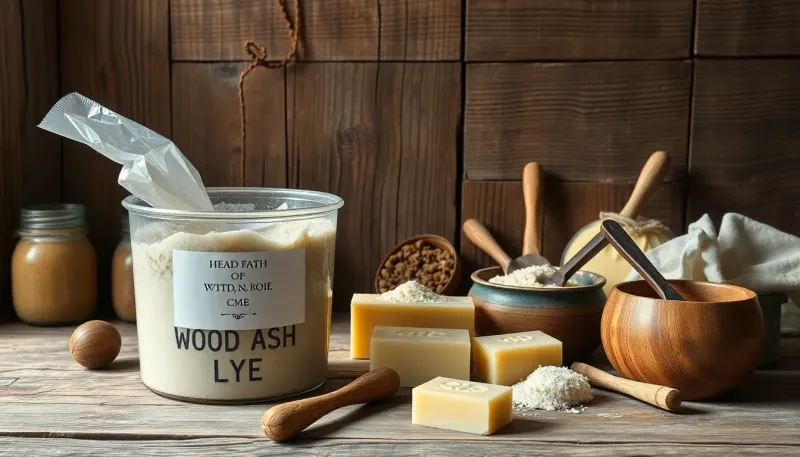
Photo: handmade lye soap making wood ash traditional homestead, via woodworkwizardry.com
Here's a question worth sitting with: if the stores closed tomorrow and stayed closed, how long before basic hygiene became a serious problem in your household?
Ammo, food storage, water filtration — preppers think hard about all of it. But soap? Most people assume it'll just be there. It won't. Commercial soap is a petroleum-dependent, chemically processed product that moves through a global supply chain before it ever hits a Walmart shelf. In a long-term disruption scenario, it's one of the first everyday items to disappear — and one of the last things most people have a backup plan for.
The good news is that humans made soap for thousands of years before Procter & Gamble existed. The ingredients are things you can produce yourself. The process is learnable in an afternoon. And once you've done it, you'll wonder why this isn't covered in every prepper manual right next to fire starting and water purification.
Why Soap Isn't Optional
Let's be blunt. Without soap, minor cuts get infected. Foodborne illness spikes. Skin conditions that are trivial annoyances today become serious problems when there's no pharmacy down the road. Historical records from disaster scenarios — whether wartime, natural disaster, or economic collapse — consistently show that sanitation failures kill more people than the initial crisis.
Our ancestors understood this. Colonial American homesteaders made soap as a routine part of farm life. It wasn't a luxury. It was infrastructure. The fact that we've outsourced this skill to multinational corporations doesn't mean we can afford to forget it.
The Two Ingredients That Make It All Possible
Traditional soap requires exactly two core ingredients: lye and fat. That's it. If you've been following our other content on wood ash and animal processing, you're already halfway there.
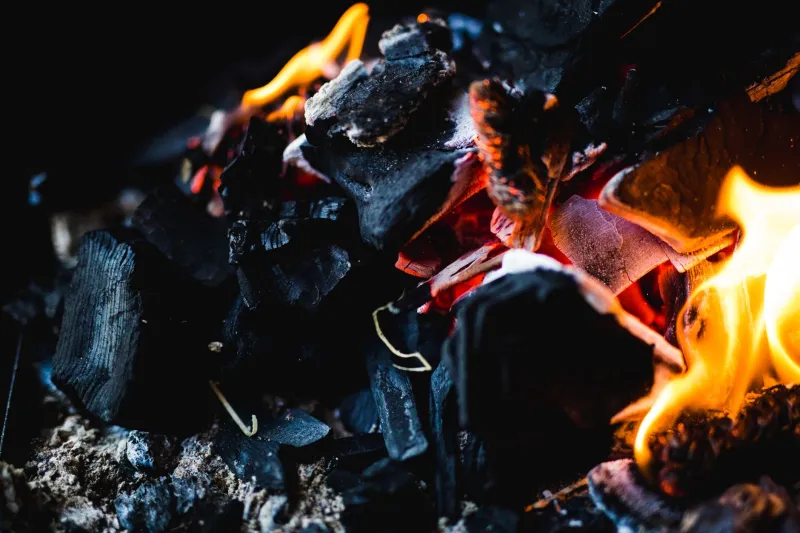
Lye (Potassium Hydroxide) is produced by leaching water through hardwood ash. The resulting liquid — called lye water or potash — is a strong alkali that reacts chemically with fat to produce soap. Hardwood ash from oak, hickory, or maple works best. Softwood ash from pine or cedar produces weaker lye and is less reliable.
To make lye water, pack a wooden barrel or bucket with holes in the bottom with your ash, then slowly pour rainwater or soft water through it. Collect the dark liquid that drains out. Traditional wisdom says your lye is strong enough when a fresh egg or a chicken feather floats in it — a surprisingly reliable test that works because of the solution's density.
Fat can come from rendered animal tallow (beef or pork fat being the most traditional), lard, or even accumulated cooking grease. Rendering is straightforward: cut fat into small pieces, melt it slowly over low heat, strain out the solids, and let it cool. The clean fat that solidifies is your soap-making material. If you've been processing deer or hogs, you already have a source sitting right there.
The Chemistry (In Plain English)
You don't need a chemistry degree, but understanding what's happening helps you troubleshoot and stay safe.
Saponification is the reaction between lye and fat. The alkali breaks down the fat molecules and reorganizes them into two new substances: soap and glycerin. The soap does the cleaning. The glycerin is a natural byproduct that actually makes handmade soap gentler on skin than most commercial products, which have the glycerin removed and sold separately.
The key variable is the ratio of lye to fat. Too much lye and your soap is harsh and caustic. Too little and it stays greasy and won't set properly. Traditional soft soap — the kind colonial Americans made — uses a higher water-to-ash ratio and produces a paste-like product rather than hard bars. Hard bar soap requires more concentrated lye or the addition of salt during the process.
Safety First — This Isn't Optional
Lye is genuinely dangerous. Homemade lye water is less concentrated than commercial sodium hydroxide, but it can still cause serious burns if it contacts your skin or eyes. This is not a reason to avoid the skill — it's a reason to respect it.
Always work outdoors or in a very well-ventilated space. Wear gloves and eye protection. Never use aluminum containers or utensils — lye reacts with aluminum and releases hydrogen gas. Use wooden, stainless steel, or cast iron equipment. Keep a source of clean water nearby to rinse any spills immediately.
When you're working with hot lye and fat together, the mixture can splatter. Stir slowly and deliberately. Don't rush the process.
Making Your First Batch: A Simple Field Method
This is a basic soft soap method — the kind that works in a survival or homestead context without precision measuring equipment.
- Test your lye water using the egg float test. If it floats, you're ready.
- Heat your rendered fat in a large pot over a fire until fully melted and hot.
- Slowly add lye water to the fat — not the other way around — stirring constantly with a wooden paddle.
- Keep the heat low and steady, continuing to stir as the mixture begins to thicken.
- Watch for trace — the point where the mixture thickens enough that drizzling some across the surface leaves a visible trail before sinking back in. This means saponification is happening.
- Continue cooking and stirring for one to two hours over low heat until the soap reaches a thick, applesauce-like consistency.
- Pour into molds (wooden boxes lined with cloth work fine) or store as soft soap in sealed containers.
Let hard soap cure for at least four weeks before use. The curing process allows the saponification reaction to complete fully and the excess water to evaporate, resulting in a harder, milder bar.
Soft Soap vs. Hard Soap: Know the Difference
Soft soap — the traditional pioneer standby — is perfectly functional for hand washing, laundry, and general cleaning. It stores well in sealed containers and is faster to produce. Hard bar soap requires either more concentrated lye or the addition of salt during the cook, and it needs extended curing time. Both have their place in a preparedness context.
For everyday hygiene in a grid-down scenario, a reliable batch of soft soap is genuinely life-changing. For barter, trade, or longer-term storage, hard bars are more practical.
One More Reason to Learn This Now
Beyond pure survival utility, soap making is one of those skills that connects you to a very long line of self-sufficient Americans who didn't depend on anyone else for the basics. There's something grounding about that. Every homesteader who built a life on the frontier understood that knowing how to produce your own necessities wasn't a hobby — it was freedom.
At Primitive Era Tools, that's the kind of freedom we're here for. The tools and skills that let you operate outside the system, on your own terms, when it matters most.
Learn this one. Practice it before you need it. Your future self will thank you.