Wood Ash: The Backyard Goldmine Most Preppers Toss in the Trash
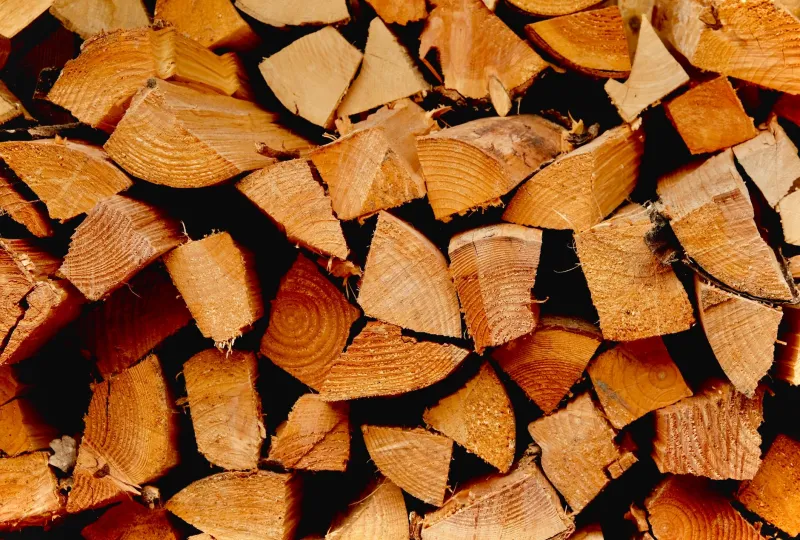
Every winter, millions of Americans burn through cords of firewood and shovel the leftover ash straight into the yard or the garbage. It's understandable — ash looks like nothing. Gray, powdery, inert. But if you've been doing that, you've been throwing away one of the most chemically potent, historically significant, and genuinely useful byproducts your property can generate.
Our great-great-grandparents didn't have a Home Depot. They didn't order supplies off the internet. But they did have fire, and they understood something we've largely forgotten: the ash left behind after burning hardwood is packed with potassium carbonate and calcium compounds that can be coaxed into producing lye — a caustic alkali that unlocks soap making, food preservation, soil improvement, and even primitive construction materials. All from something you'd otherwise pitch.
Let's break it down.
Start With the Right Ash
Not all ash is created equal, and this matters more than most people realize. Hardwood ash — from oak, hickory, maple, beech, or fruitwood — is what you want. Hardwoods burn hotter and cleaner, leaving behind a higher concentration of potassium compounds. Softwoods like pine and cedar produce weaker ash and often contain more resins and contaminants. If you're burning scrap lumber, painted wood, or treated timber, stop right there. Those ashes can contain heavy metals, arsenic, and other toxins you absolutely do not want anywhere near your food, your skin, or your garden.
Collect your ash dry and store it in a sealed metal container. Moisture is the enemy here — it begins leaching out the potassium before you're ready to use it, and wet ash can even cause minor spontaneous heating. Keep it dry, keep it clean, and keep it away from anything flammable until you're ready to work with it.
Making Lye the Old-Fashioned Way
Lye — specifically potassium hydroxide in its traditional wood ash form — is the gateway to almost everything else on this list. The process of extracting it is called leaching, and it's about as low-tech as chemistry gets.
You'll need a wooden barrel or a bucket with small holes drilled in the bottom, a collection vessel underneath, and a supply of rainwater or clean soft water. Hard water with high mineral content can interfere with the process. Pack your dry hardwood ash into the barrel loosely, then slowly pour water through it. The water percolates down through the ash, picking up potassium carbonate and other soluble compounds, and drips out the bottom as lye water — a brownish, slightly slimy liquid with a slippery feel and a sharp, alkaline smell.
Traditional wisdom says you've got workable lye when a fresh egg floats with about a quarter-sized portion above the surface, or when a raw potato floats similarly. Too weak and it won't saponify your fats properly. Too strong and you'll end up with soap that's harsh and crumbly. This takes practice, and your first batch probably won't be perfect. That's fine. Neither was anyone else's.
A word of caution: Lye is caustic. It will burn skin and eyes on contact. Wear gloves and eye protection whenever you're working with lye water or concentrated ash solutions. This is old-school chemistry, not a Pinterest craft project.
Turning Lye Into Soap
Once you've got your lye water, you're most of the way to soap. Traditional soft soap — the kind stored in crocks, not pressed into bars — is made by boiling lye water with animal fat. Rendered lard, bear grease, tallow from beef or venison — all of it works. The chemical reaction between the alkali in your lye and the fatty acids in the animal fat is called saponification, and it's been happening in American kitchens and homesteads since before the country was even a country.
The rough ratio is about one part fat to one part lye water by volume, but you'll refine this with experience. Boil the mixture slowly, stirring constantly, until it thickens to a pudding-like consistency. That's your soft soap. It's not fancy. It won't smell like lavender. But it cleans hands, dishes, and clothes, and it costs you nothing but time and a fire.
Hard bar soap requires a more concentrated lye, which traditionally meant boiling down your lye water to increase its strength — or running water through ash multiple times to create what old-timers called "double lye."
Ash in the Garden
If soap making feels like a project for another season, start simpler: put your wood ash directly to work in the soil. Hardwood ash is a natural source of calcium, potassium, and phosphorus — three of the nutrients your garden actually needs. It also raises soil pH, making it useful for neutralizing overly acidic ground.
Spread ash lightly around vegetable beds, fruit trees, and berry bushes in early spring before planting. Work it into the top few inches of soil. Don't overdo it — too much ash can swing your pH too far in the alkaline direction, which causes its own set of problems. A few pounds per hundred square feet is a reasonable starting point. Avoid putting it around acid-loving plants like blueberries, azaleas, or rhododendrons.
For preppers building toward genuine food independence, this is significant. You're closing a loop — burning wood for heat and cooking, then returning the mineral content of that wood back to the soil that grows your food. That's not just thrifty. That's a functioning homestead cycle.
Food Preservation and Other Practical Uses
Wood ash has a longer history in food preservation than most people know. In parts of Appalachia and rural America, ash was used to make hominy — dried corn treated with an alkaline solution (a process called nixtamalization) that loosens the hull and dramatically improves the corn's nutritional profile. The same basic chemistry that makes lye water caustic also makes it useful for curing olives, preserving eggs, and treating certain dried legumes.
Ash also works as a basic pest deterrent. Sprinkled around the base of garden plants, it discourages slugs and some soft-bodied insects. Mixed with water, it creates a mild abrasive paste useful for cleaning cast iron and metal tools without harsh chemicals.
In primitive construction, ash mixed with clay can improve the workability and fire resistance of daub mixtures used in wattle-and-daub building. It's also been used historically as a component in primitive mortars and plasters.
Don't Let It Go to Waste
Here's the bigger picture: self-sufficiency isn't just about stockpiling gear. It's about understanding the full value of what you already have. Wood ash is a perfect example of a resource that modern convenience culture has trained us to ignore. Our ancestors built entire chemical industries — soap, fertilizer, even early gunpowder production — on this stuff.
Every cord of hardwood you burn this winter is generating a small but real supply of one of the most versatile primitive materials available. Collect it. Store it dry. Learn what it can do. Because when the supply chain gets complicated and the hardware store isn't an option, the people who know how to work with what they've got are the ones who stay ahead.
Start with a bucket, some ash, and some patience. The chemistry is old. The skills are learnable. And the payoff — soap, soil, and a deeper understanding of genuine self-reliance — is absolutely worth the effort.