Why Hand-Forged Costs More—and Why Your Survival Kit Should Pay the Price
Walk into any big-box hardware store and you'll find a wall of shiny tools at prices that seem almost too good to be true. Spoiler: they usually are. Meanwhile, the hand-forged hatchet from a small American smithy runs three, four, sometimes five times as much. That gap is enough to make any budget-conscious prepper pause. But before you grab the cheaper option and call it a win, it's worth understanding exactly what drives that price difference—and what it means for your long-term readiness.
This isn't about being a gear snob. It's about understanding where your money actually goes, and whether it's working for you or against you when things get serious.
What You're Really Paying For
Mass-produced tools are engineered for one thing: a price point. That's not a conspiracy theory, it's just economics. When a factory in Southeast Asia is cranking out ten thousand hatchets a week, every decision—steel grade, heat treatment, handle material, finish—gets optimized for cost reduction, not performance.
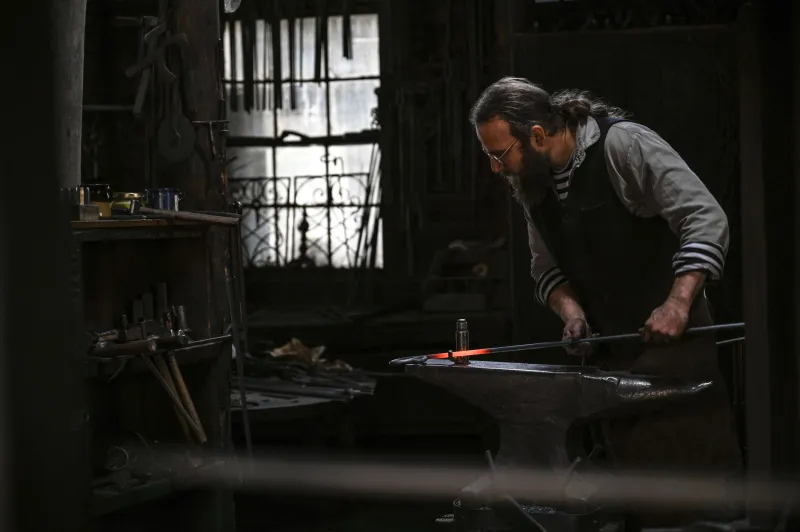
Hand-forged tools work from the opposite direction. A blacksmith starts with high-carbon or tool steel and shapes it under heat and hammer, compressing and aligning the grain structure in ways that casting and stamping simply can't replicate. The result is a blade or edge that holds up under real stress rather than chipping, bending, or snapping at the worst possible moment.
The heat treatment alone is a major differentiator. A skilled smith controls the hardening and tempering process tool by tool, adjusting for the specific steel and intended use. Factory lines run standardized cycles that produce acceptable results on average—but average doesn't cut it when you're splitting kindling in freezing rain or processing game miles from the nearest road.
The Durability Math
Here's where the economics get interesting. A mass-produced camp axe at $35 might last three to five years of regular use before the handle cracks, the eye loosens, or the head develops stress fractures. A quality hand-forged axe from a reputable American smith—priced at $150 to $250—can last decades with basic maintenance. Some of the vintage hand-forged tools circulating at estate sales and flea markets today were made in the early 1900s and still hold a working edge.
Run the numbers over a ten-year period and the "expensive" option often comes out cheaper. More importantly, it comes out more reliable—and reliability is the currency that actually matters in a survival context.
When you're building a preparedness kit, every piece of gear is a bet you're placing on your own future safety. A tool that fails when you need it most isn't just an inconvenience. It's a liability.
Resale Value: Tools That Hold Their Worth
Here's something the prepper community doesn't talk about enough: hand-forged tools appreciate. Or at the very least, they hold their value in a way that factory gear simply doesn't.
That $35 axe from the hardware store is worth maybe $10 used, assuming you can find a buyer at all. A hand-forged piece from a known American smith? Those sell briskly in the secondary market—sometimes at or above original retail if the maker has a strong reputation. Vintage hand-forged tools from established American manufacturers like Council Tool, Snow & Nealley, or small regional smithies can command serious premiums among collectors and working outdoorsmen alike.
This matters for preppers specifically because gear flexibility is part of preparedness. A kit built around quality hand-forged tools is a kit you can liquidate, trade, or barter if circumstances demand it. Try bartering a bent factory hatchet in a tough situation and see how far that gets you.
Reading Quality Before You Buy
Not every tool labeled "hand-forged" actually is—at least not in the traditional sense. Some manufacturers use the term loosely to describe drop-forged production tools that are barely a step above cast alternatives. Knowing what to look for protects you from paying a premium for something that doesn't deserve it.
Look for visible hammer marks or slight surface irregularities that indicate actual hand-working. Check the eye of an axe or hatchet—hand-forged eyes tend to be tighter and more precisely fitted. Ask about the steel: 1075, 1080, or similar high-carbon designations are good signs. If a seller or maker can't tell you what steel they used, that's a red flag.
Handle fit is another indicator. Mass-produced tools often ship with handles that fit loosely and rely on wedges to compensate. A well-made hand-forged tool should have a handle fitted to the specific head, with minimal slop before any wedge is driven.
Where to Find the Real Thing
The American blacksmithing community is more active than most people realize. Organizations like the Artist Blacksmith's Association of North America (ABANA) maintain directories of working smiths across the country. Craft fairs, local farm shows, and homesteading expos often feature smiths selling directly. Buying direct from the maker means you can ask questions, understand the provenance of your tool, and build a relationship with someone who can repair or restore your gear down the road.
Online platforms like Etsy have become legitimate marketplaces for small American smiths, though due diligence is required. Read reviews, ask for steel specs, and don't be shy about requesting photos of the actual piece before purchase.
For vintage hand-forged tools, estate sales, rural auction houses, and antique dealers in farming communities are gold mines. Tools that spent decades in a barn often just need a cleaning, a new handle, and a sharpening to return to full service.
Building a Kit That Works Harder Over Time
The smartest prepper approach isn't to buy the cheapest tools that technically function, or to chase the most expensive gear as a status symbol. It's to understand the quality hierarchy and invest strategically in the tools you'll actually rely on most.
An axe or hatchet is a cornerstone survival tool—worth the premium. A quality fixed-blade knife or draw knife for woodworking, same story. Items you'll reach for constantly under pressure deserve the best steel and craftsmanship you can afford. Peripheral gear—trowels, certain camp utensils, basic hardware—can reasonably come from less expensive sources without compromising your overall readiness.
Hand-forged tools aren't a luxury purchase dressed up as preparedness. They're a calculated investment in gear that performs when it counts, lasts long enough to justify its cost several times over, and holds real-world value if you ever need to trade or sell. That's not a premium. That's just smart kit-building.